
Travel guide
First trip to Japan: a 7-day Tokyo, Kyoto and Osaka itinerary
If this is your first time in Japan, this is the route most people fall in love with: Tokyo's neighbourhoods, the shinkansen to Kyoto's temples, a morning with the deer in Nara and a last night eating in Osaka. This plan gives you seven realistic days, with travel times from official sources, where to stay, which ticket to buy, and the small tricks that save time, such as flying into Tokyo and out of Osaka.


In short
- Fly into Tokyo and out of Osaka (Kansai Airport) so you never backtrack.
- Keep day 1 light: jet lag from the US or Europe is real.
- Be at Fushimi Inari early in the morning, before the crowds.
- Have hotels forward your suitcase so you ride the shinkansen light.
- On a one-way route, a 7-day JR Pass often does not pay off: compare first.
The plan at a glance
Seven days is enough for Japan's classic first route: three days in Tokyo, two in Kyoto, a half day in Nara and a last night in Osaka. Fly into Tokyo and out of Osaka's Kansai Airport, so you never backtrack.
| Day | Where | Highlights |
|---|---|---|
| 1 | Tokyo | Arrival, Asakusa |
| 2 | Tokyo | Harajuku, Shibuya, Shinjuku |
| 3 | Tokyo or a day trip | Your choice |
| 4 | Kyoto | Shinkansen, Higashiyama |
| 5 | Kyoto | Fushimi Inari, Nishiki Market |
| 6 | Nara, Osaka | Deer, Todai-ji, Dotonbori |
| 7 | Osaka | Castle park, fly home |

Day 1: Land in Tokyo, ease in
Arrive at Haneda or Narita, sort out yen, data and an IC card (our arrival day guide walks you through it) and check in. From Haneda, the Keikyu Line or the monorail gets you to the Yamanote Line in about 20 minutes (JNTO (opens in a new tab)). If you still have energy, walk to Senso-ji in Asakusa: the red Kaminarimon gate and the snack stalls of Nakamise are five minutes from the nearest stations, and the temple, founded in 628, is lovely after dark (JNTO (opens in a new tab)). Coming from the US or Europe, jet lag will hit hard tonight, so keep it short.
Day 2: Tokyo's neighbourhoods
Spend a full day on the Yamanote Line, which loops around central Tokyo. A classic run: the Meiji Shrine forest and Harajuku in the morning, Shibuya Crossing at lunchtime, and Shinjuku for the evening, from the free observation floors at the city hall to the tiny bars of the side streets. Your IC card covers every ride.

Day 3: Your Tokyo, or a day trip
Use day three for what you love: museums and the park at Ueno, shopping in Ginza, anime and electronics in Akihabara, or a day out of the city across Kanto. If you plan to use a rail pass from tomorrow, do not start it today.
Day 4: Shinkansen to Kyoto
Take the morning shinkansen to Kyoto; Nozomi trains reach Shin-Osaka in 2 hours 21 minutes, and Kyoto a little earlier (JR Central (opens in a new tab)). Buy an ekiben for the ride and, from Tokyo, sit on the right for Mount Fuji. Our shinkansen guide covers tickets and the rules for big suitcases. Spend the afternoon in Higashiyama, walking the old lanes between temples as the lanterns come on.

Day 5: Fushimi Inari and central Kyoto
Start early at Fushimi Inari Taisha, just outside Kyoto Station on the JR Nara Line. Its tunnels of torii climb the mountain; there may be as many as 10,000, and walking the whole circuit takes two to three hours (JNTO (opens in a new tab)). Most people turn back about halfway, where the crowds thin. Spend the afternoon at Nishiki Market and a temple or garden of your choice from our shrines and temples picks.
It takes between two to three hours to tour the mountain.
Day 6: Nara, then on to Osaka
Kintetsu trains reach Nara from Kyoto Station in just over 30 minutes, and Nara Park is a five-minute walk from Kintetsu Nara (JNTO (opens in a new tab)). Meet the tame deer, then see Todai-ji, home to the largest bronze Buddha in the world. In the late afternoon, continue to Osaka: from Nara to Osaka-Namba is about 35 minutes. Spend the evening eating your way along Dotonbori.

Day 7: Osaka and home
Keep your last morning simple: Osaka Castle park, a market breakfast, or last-minute shopping. Remember that from 1 November 2026 tax-free refunds are claimed at the airport before check-in, so arrive early. From central Osaka, JR trains reach Kansai Airport in just over 30 minutes (JNTO (opens in a new tab)).

Getting around: passes and cards
An IC card covers every city train, subway and bus on this route. For the long legs, Tokyo to Kyoto and the airport trains, compare single tickets with a JR Pass: on a one-way route like this, the 7-day pass often does not pay off, so do the maths before you buy.
When to go
This route works all year. Spring cherry blossoms in April and autumn colours in November are the most beautiful and the busiest; book hotels early. Check the Tokyo weather and Osaka weather a few days before you fly.
Before you go
- Get data sorted with an eSIM before you fly.
- Carry some cash: read money in Japan.
- Mind a few manners: take your shoes off where asked, keep your voice down on trains, queue, and take your rubbish with you, as bins are rare (JNTO (opens in a new tab)).
Questions travellers ask
Is 7 days enough for Japan?
For a first trip, yes: seven days covers Tokyo, Kyoto, Nara and Osaka at a comfortable pace. Add days for side trips or a slower Kyoto.
Should I fly into Tokyo or Osaka?
Fly into one and out of the other, for example into Tokyo and out of Kansai Airport, so you never travel back across the country.
Do I need a JR Pass for Tokyo, Kyoto and Osaka?
Often not. On a one-way route, single shinkansen tickets can cost less than a 7-day pass. Compare the fares for your exact trip first.
How long is the shinkansen from Tokyo to Kyoto?
Just over two hours on a Nozomi; the train reaches Shin-Osaka from Tokyo Station in 2 hours 21 minutes.
How do I get from Kyoto to Nara?
Kintetsu trains from Kyoto Station reach Kintetsu Nara in just over 30 minutes, and Nara Park is a five-minute walk from there.
Sources
We checked the facts on this page against these sources.
- Japan National Tourism Organization (JNTO)日本政府観光局Senso-ji Temple, Asakusa (opens in a new tab)
- Japan National Tourism Organization (JNTO)日本政府観光局Fushimi Inari Taisha (opens in a new tab)
- Japan National Tourism Organization (JNTO)日本政府観光局Nara Park and around (opens in a new tab)
- JR CentralJR東海Tokaido Shinkansen guide for visitors (opens in a new tab)
- Japan National Tourism Organization (JNTO)日本政府観光局Kansai Airport: trains, buses and taxis (opens in a new tab)
- Japan National Tourism Organization (JNTO)日本政府観光局Haneda Airport: trains, buses and taxis into Tokyo (opens in a new tab)
- Japan National Tourism Organization (JNTO)日本政府観光局Luggage delivery and coin lockers (opens in a new tab)
- Japan National Tourism Organization (JNTO)日本政府観光局Japanese customs and etiquette (opens in a new tab)
Explore related pages
Read next

Arrival day in Japan: immigration, then airport to city
The first two hours in Japan set the tone for the trip. This guide walks you through landing, immigration and customs, what to sort out before you leave the airport (yen, data, an IC card, your rail pass), and the best way into the city from Narita, Haneda and Kansai Airport, with times from the official airport guides. It also covers sending your suitcase ahead and what to do if you land late at night.23 Oct 2026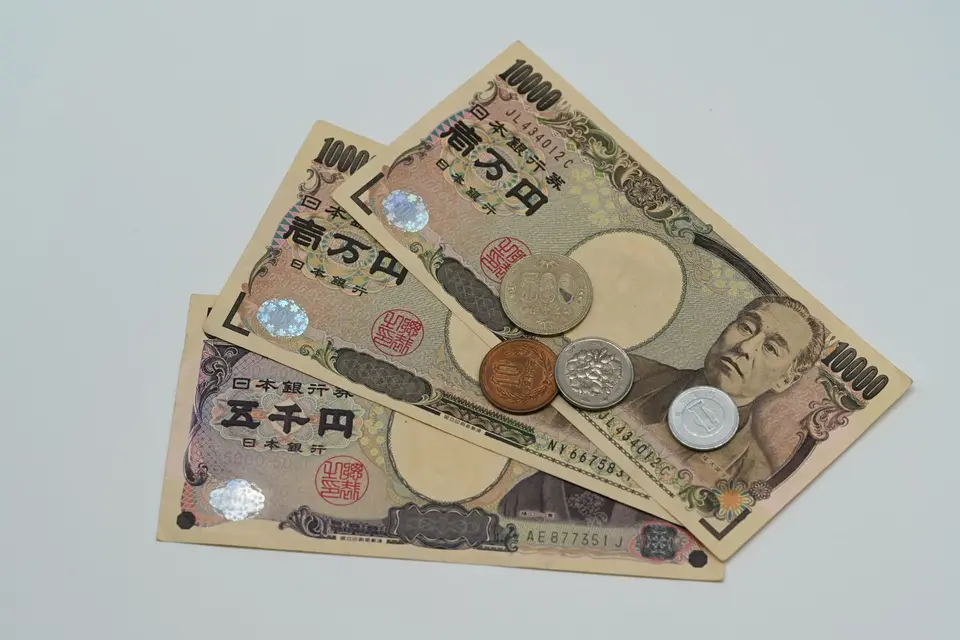
Money in Japan: cash, cards, ATMs and the new tax-free refunds
Japan has gone a long way towards cards and contactless, but cash still matters more than in the US or most of Europe, especially outside the big cities. This guide explains how much cash to carry, which ATMs take your card, where cards and phone payments work and where they do not, why you should not tip, and how tax-free shopping changes on 1 November 2026, when tax is no longer taken off at the till but refunded at the airport.23 Oct 2026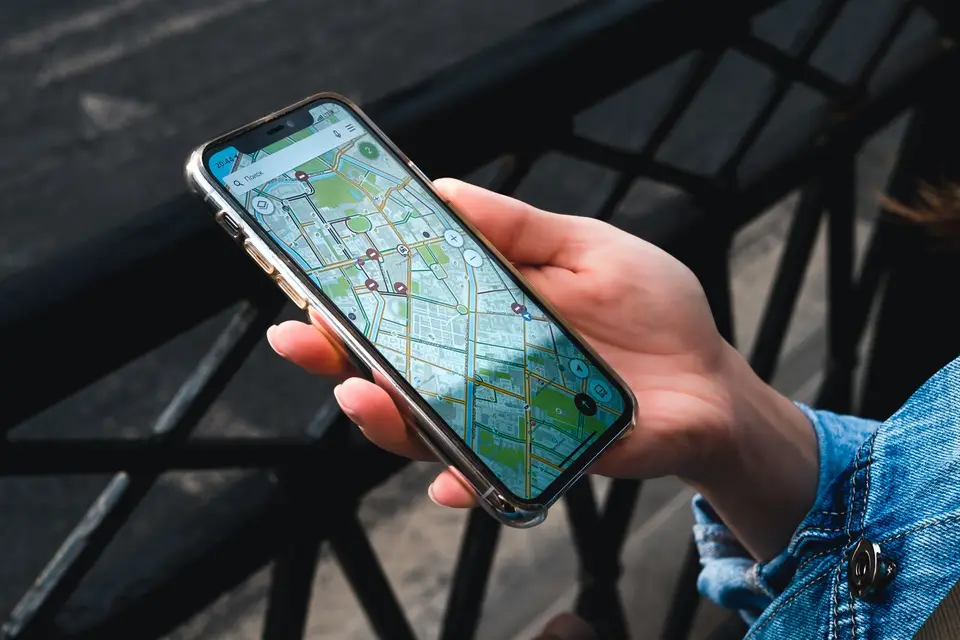
Japan eSIM, SIM or pocket Wi-Fi: how to stay online in Japan
You will lean on your phone in Japan far more than at home: maps through station mazes, train times, translation, restaurant bookings and disaster alerts. This guide compares the three ways to get data (eSIM, SIM card and pocket Wi-Fi), shows how much data a typical trip uses, explains why roaming from the US or Europe can get expensive, and walks you through setting up an eSIM before you fly. Our pick for an eSIM is Zwitchy, and we explain why.23 Oct 2026


