
Neighbourhood in Chuo
Nihonbashi
日本橋
Tokyo's old merchant quarter around the bridge where the Edo-period highways began, with Japan's first department store and long-running shops.
- places to see
- 10
- walk past the highlights
- 2.7 km
- Tokyo
- Chuo
Nihonbashi grew up around the bridge of the same name. The first wooden bridge was built in 1603, and in the Edo period it was the eastern end of the Tokaido and Nakasendo, the roads to Kyoto. The present stone bridge dates from 1911. It became the city's great merchant quarter, and the Mitsui family opened Mitsukoshi here, Japan's first department store.
Today it mixes banks and offices with shops that have traded for centuries, selling knives, seaweed, fans and sweets. The Bank of Japan and its Currency Museum are a short walk north of the bridge. Tokyo Station is ten minutes' walk away. More of the ward is in our Chuo guide.
Don't miss in Nihonbashi
Start with these, then wander the side streets.
1. Nihonbashi Bridge
日本橋The 1911 stone bridge, once the start of Japan's great roads. Look for the bronze kirin on its lamps.
2. Nihombashi Mitsukoshi Main Store
三越日本橋本店Mitsukoshi's grand flagship store, with a soaring central hall and a big food basement.
3. Bank of Japan Head Office
日本銀行本店The central bank's stone head office from the Meiji era. Free tours by reservation.
4. Currency Museum
貨幣博物館Free museum of Japanese money right next to the Bank of Japan.
5. Koami Shrine
小網神社Tiny shrine among office blocks, visited for luck with money and safety.
6. Suitengu Shrine
水天宮Shrine where families pray for safe childbirth, a short walk east.
Walk Nihonbashi in order
The highlights as one easy walk, about 2.7 km in all.
Stop 1
Nihonbashi Bridge
Start here
Stop 2
Currency Museum
7 min walk
Stop 3
Nihombashi Mitsukoshi Main Store
3 min walk
Stop 4
Bank of Japan Head Office
4 min walk
Stop 5
Koami Shrine
15 min walk
Stop 6
Suitengu Shrine
7 min walk
More around Nihonbashi
Other places within walking distance. Each shows its Japanese name for maps and taxis.
Mitsui Memorial Museum
三井記念美術館A museum in Tokyo, Japan.
Kabuto Shrine
兜神社A Shinto shrine in Tokyo, Japan.
Nihonbashi Hie Shrine
日枝神社日本橋摂社A Shinto shrine in Tokyo, Japan.
Artizon Museum
アーティゾン美術館Art museum in Kyobashi, between Tokyo Station and Ginza, with Impressionist and modern Japanese works.
Nihonbashi on the map
Every place on this page. Tap a pin for directions.
Questions
Why is Nihonbashi bridge famous?
In the Edo period it was the starting point of the main highways, and road distances in Japan are still measured from a marker on the bridge.
How far is Nihonbashi from Tokyo Station?
About ten minutes on foot from the Yaesu side, or one stop on the Ginza or Tozai subway lines.
Sources
We checked the facts on this page against these sources.
More areas in Tokyo
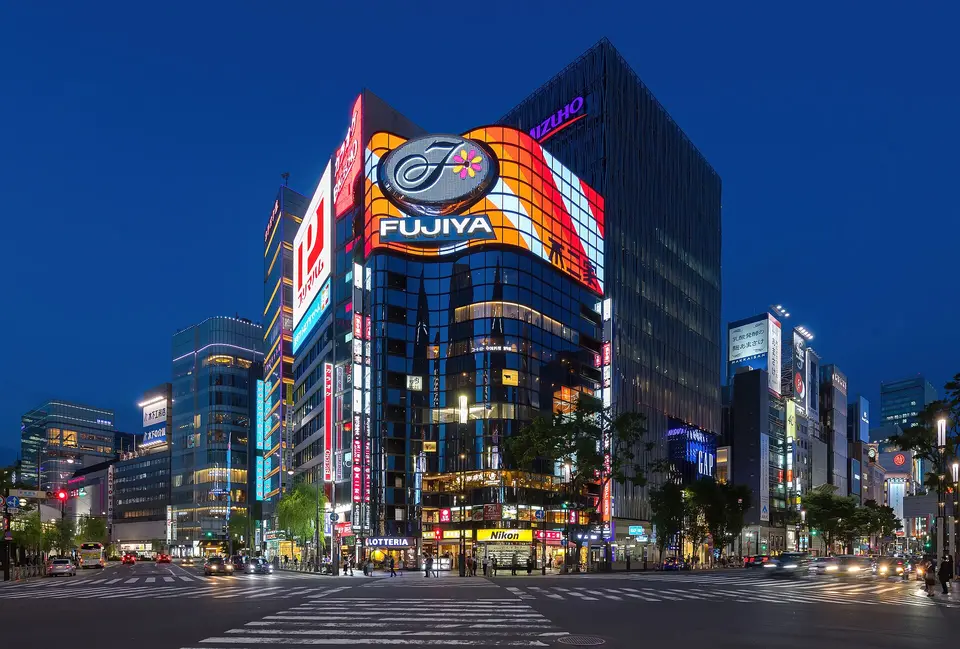
- GinzaTokyo's classic upmarket shopping district, with department stores, flagship boutiques, the Kabuki-za theatre and a main street that closes to cars at weekends.
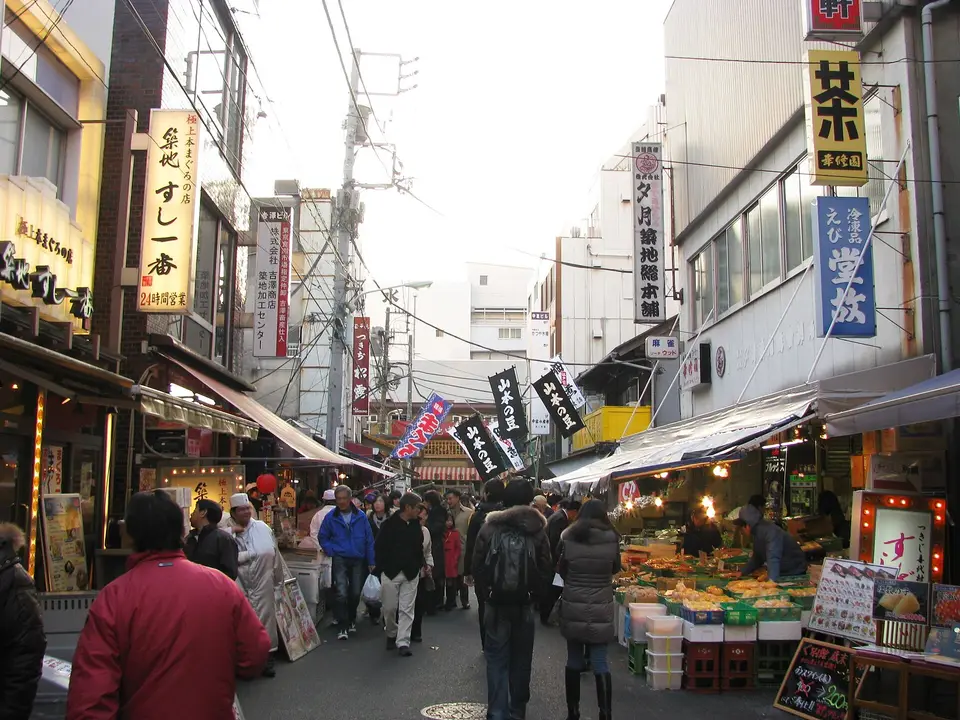
- TsukijiHome of Tokyo's famous fish market until 2018. The wholesale market moved to Toyosu, but the Outer Market's food stalls and shops are still here.
- MarunouchiThe business district between Tokyo Station and the Imperial Palace, with the red-brick station, palace gardens and a tree-lined street of shops.
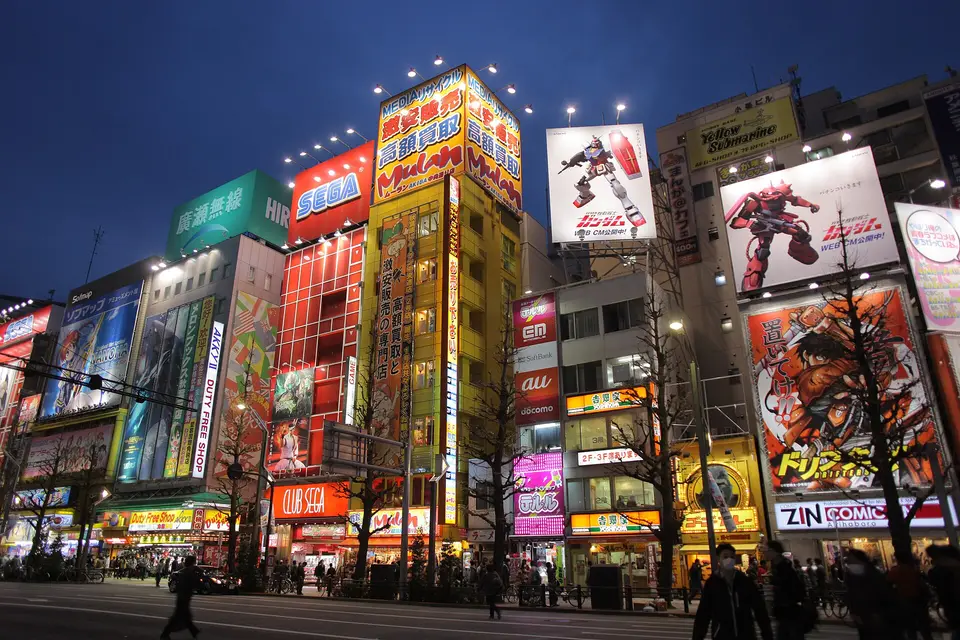
- AkihabaraTokyo's Electric Town: the centre of anime, manga and game shopping, with electronics stores, arcades, maid cafes and the old Kanda Myojin shrine nearby.
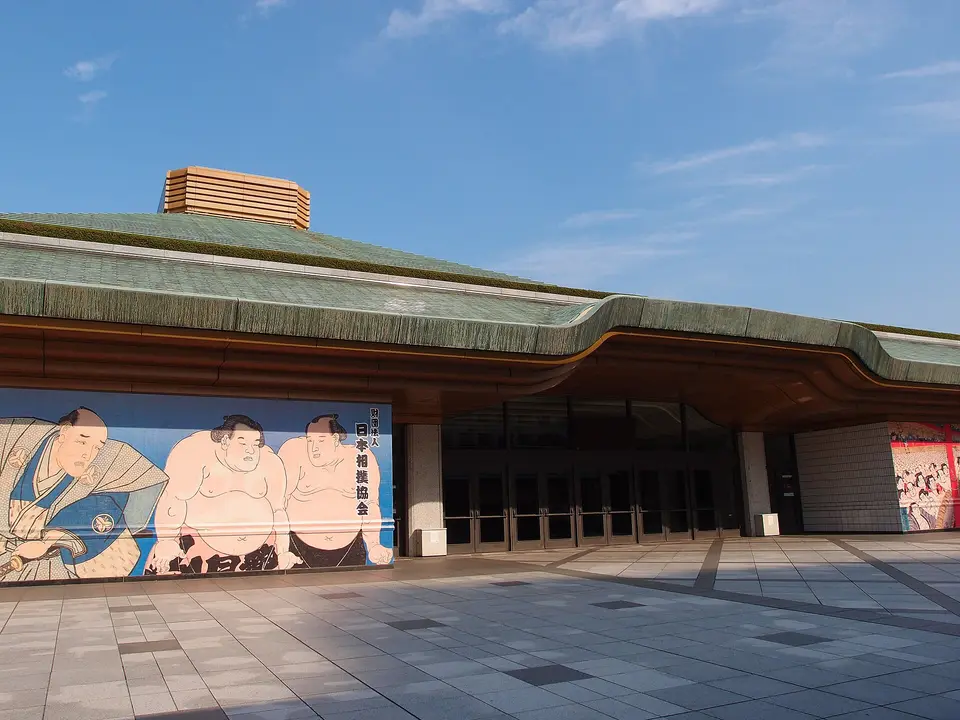
- RyogokuThe home of professional sumo, with the national sumo arena, training stables and chanko nabe restaurants on the east bank of the Sumida River.
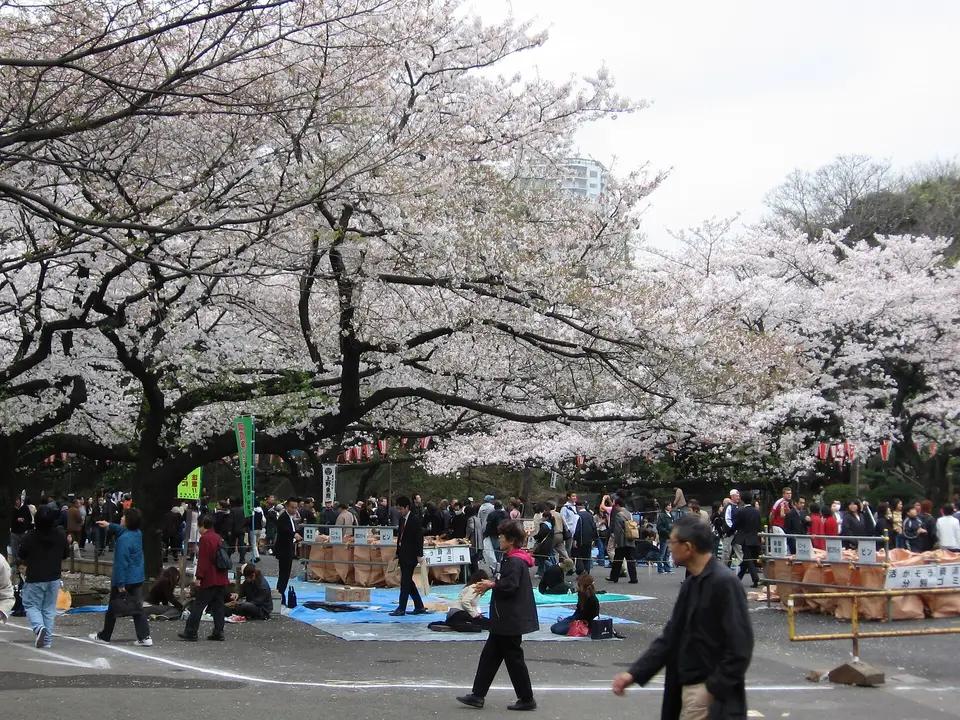
- UenoTokyo's museum quarter around Ueno Park, with national museums, the zoo, temples, a lotus pond and the Ameyoko market street by the station.
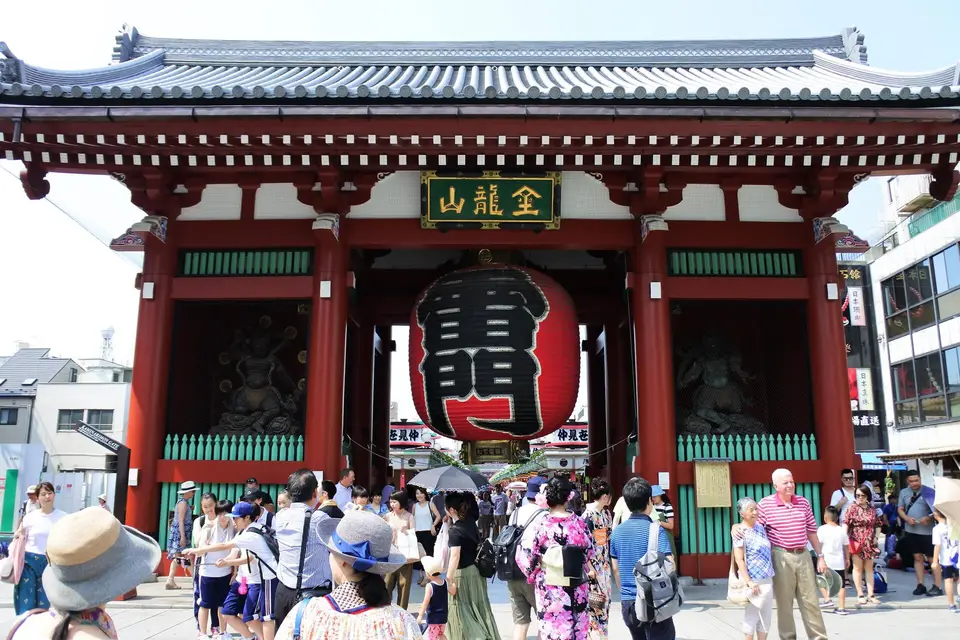
- AsakusaOld Tokyo around Senso-ji temple, with the Kaminarimon gate, the Nakamise shopping street and the Sumida River on its east side.
- KagurazakaA sloping street from Iidabashi with stone-paved back lanes from its geisha days, old shrines and Tokyo's biggest cluster of French bakeries and bistros.


