
Travel guide
How much does a trip to Japan cost? A budget, item by item
Japan has a reputation for being expensive, but day to day it is often cheaper than London, Paris or New York: a great bowl of ramen costs less than a sandwich at home, and city transport is cheap. The big costs are your flight, where you sleep and any long-distance trains. This guide lists typical prices from JNTO, builds three sample daily budgets, adds up the one-off costs, and shares the tricks that make a real difference.


In short
- Accommodation is the biggest daily cost; staying near a station saves time and transport money.
- Eat your big meal at lunch, when many restaurants offer set-menu specials.
- Many temples, shrines and parks are free; fees are usually a couple of hundred yen.
- Only buy a JR Pass if your long train trips add up to more than its price.
- There is no tipping, and the price on the menu includes tax.
In this guide
What people really spend
In 2025, international visitors spent ¥229,000 per person on average during their trip, not counting the flight there, according to preliminary Japan Tourism Agency figures. Visitors from Germany and the UK, who tend to stay longer, spent around ¥390,000 (Nippon.com (opens in a new tab)). Lodging was the largest share of all visitor spending, ahead of shopping and food.
Prices below are JNTO's typical figures for visitors (JNTO (opens in a new tab)). Check today's exchange rate when you plan: the yen moves a lot, and it changes the picture for Americans and Europeans more than prices inside Japan do.
| Item | Typical price (yen) |
|---|---|
| Hostel bed | about 3,000 |
| Budget hotel, single | from about 6,000 |
| Mid-range hotel, double | from about 10,000 |
| Four-star hotel, double | from about 30,000 |
| Ryokan with dinner and breakfast | from about 10,000 per person |
| Coffee-shop breakfast | about 400–700 |
| Bowl of ramen | from about 650 |
| Bottle of water | about 110 |
| Can of beer | about 250 |
| Tokyo subway 1-day ticket (Metro and Toei) | 900 |
| City bus, base fare | from 210 |
| Tokyo taxi, base fare | from 500 |

Three sample daily budgets
These are our own estimates per person per day, built from the prices above, for a city day in Tokyo, Kyoto or Osaka. Long-distance trains, shopping and nightlife come on top.
| Style | Sleep | Eat | Get around and sights | About per day |
|---|---|---|---|---|
| Budget | Hostel bed ¥3,000 | Konbini breakfast, ramen lunch, supermarket dinner ¥2,500 | Subway day ticket and a temple fee ¥1,500 | ¥7,000 |
| Mid-range | Half a ¥10,000–14,000 double | Café breakfast, lunch set, izakaya dinner ¥5,000 | IC card rides and two sights ¥2,500 | ¥13,000–15,000 |
| Comfort | Half a ¥30,000 four-star double | Hotel breakfast, good lunch, restaurant dinner ¥12,000 | Taxis now and then, museums ¥6,000 | ¥33,000+ |

The big one-off costs
- Flights. Usually your biggest single cost from the US or Europe; prices swing with the season and how early you book.
- Long-distance trains. A Nozomi special ticket from Tokyo to Kyoto, which JR Pass holders pay on top, is ¥4,960 (Japan Rail Pass (opens in a new tab)); a 7-day ordinary JR Pass is ¥50,000 on the official site (Japan Rail Pass (opens in a new tab)). Read is the JR Pass worth it? before buying.
- Airport transfers. The limousine bus from Narita to central Tokyo is ¥3,200 (JNTO (opens in a new tab)); trains can be cheaper.
- Data. A 5 GB, 30-day Japan eSIM from Zwitchy is $16.50 (Zwitchy (opens in a new tab)); see our eSIM guide.
- Travel insurance. Japan's healthcare is excellent but not free for visitors. Do not skip it.
Ways to spend less
- Free sights. Many temples, shrines and parks are free, and the paid ones are usually a couple of hundred yen (JNTO (opens in a new tab)). Our shrines and temples picks are a good start.
- Day tickets. In Tokyo, a 1-day ticket for both Tokyo Metro and Toei subways costs ¥900 (JNTO (opens in a new tab)); one IC card covers the rest.
- Regional rail passes can beat the national JR Pass if you stay in one area such as Kansai (JNTO (opens in a new tab)).
- Overnight buses between big cities save a night's hotel (JNTO (opens in a new tab)).
- 100-yen shops for umbrellas, adapters and snacks.
- Tax-free shopping on purchases of ¥5,000 or more in one shop on one day; from November 2026 you claim it at the airport (money guide).

If a fee is required, it is generally a couple of hundred yen.
No hidden extras
Two things make budgeting in Japan easier than in the US: prices in shops and restaurants are shown including tax, and there is no tipping, so the bill is the bill (JNTO (opens in a new tab)). One thing to plan for: coin lockers at stations cost about ¥300 to ¥600 (JNTO (opens in a new tab)), handy on a day between hotels.

Go beyond the big three
Hotels outside Tokyo, Kyoto and Osaka are often cheaper, and ryokan in less-visited areas can be better value (JNTO (opens in a new tab)). Regions such as Shikoku and Tohoku give you more for your money and fewer crowds.
Questions travellers ask
How much money do I need per day in Japan?
Roughly ¥7,000 on a tight budget, ¥13,000–15,000 mid-range and ¥33,000 or more for comfort, per person, before long-distance trains and shopping. These are our estimates from JNTO's typical prices.
Is Japan expensive to visit?
Flights and hotels can be, especially in peak season, but food and city transport are often cheaper than in big US or European cities.
How much does the average visitor spend in Japan?
In 2025, about ¥229,000 per person during the stay, excluding flights, according to preliminary Japan Tourism Agency figures.
Are temples and shrines free in Japan?
Many are free, and paid ones generally charge a couple of hundred yen.
Do prices in Japan include tax?
Yes, shop and restaurant prices are normally shown including tax, and there is no tipping.
Sources
We checked the facts on this page against these sources.
- nippon.comVisitor spending in Japan, 2025(in Japanese) (opens in a new tab)
- Japan National Tourism Organization (JNTO)日本政府観光局Japan on a budget: typical prices (opens in a new tab)
- Japan National Tourism Organization (JNTO)日本政府観光局Tips for budget travel (opens in a new tab)
- Japan Rail Pass official siteJapan Rail Pass prices (opens in a new tab)
- Japan Rail Pass official siteSpecial tickets for Nozomi and Mizuho (opens in a new tab)
- Zwitchy eSIMJapan eSIM plans and prices (opens in a new tab)
- Japan National Tourism Organization (JNTO)日本政府観光局Luggage delivery and coin lockers (opens in a new tab)
- Japan National Tourism Organization (JNTO)日本政府観光局Japanese customs and etiquette (opens in a new tab)
Explore related pages
Read next

First trip to Japan: a 7-day Tokyo, Kyoto and Osaka itinerary
If this is your first time in Japan, this is the route most people fall in love with: Tokyo's neighbourhoods, the shinkansen to Kyoto's temples, a morning with the deer in Nara and a last night eating in Osaka. This plan gives you seven realistic days, with travel times from official sources, where to stay, which ticket to buy, and the small tricks that save time, such as flying into Tokyo and out of Osaka.23 Oct 2026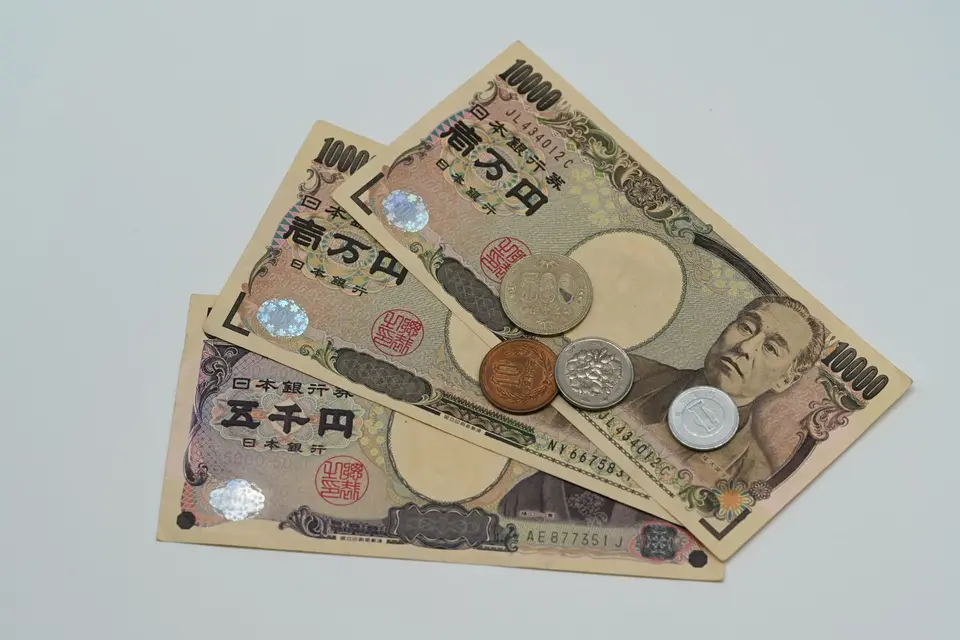
Money in Japan: cash, cards, ATMs and the new tax-free refunds
Japan has gone a long way towards cards and contactless, but cash still matters more than in the US or most of Europe, especially outside the big cities. This guide explains how much cash to carry, which ATMs take your card, where cards and phone payments work and where they do not, why you should not tip, and how tax-free shopping changes on 1 November 2026, when tax is no longer taken off at the till but refunded at the airport.23 Oct 2026
Japan eSIM, SIM or pocket Wi-Fi: how to stay online in Japan
You will lean on your phone in Japan far more than at home: maps through station mazes, train times, translation, restaurant bookings and disaster alerts. This guide compares the three ways to get data (eSIM, SIM card and pocket Wi-Fi), shows how much data a typical trip uses, explains why roaming from the US or Europe can get expensive, and walks you through setting up an eSIM before you fly. Our pick for an eSIM is Zwitchy, and we explain why.23 Oct 2026

