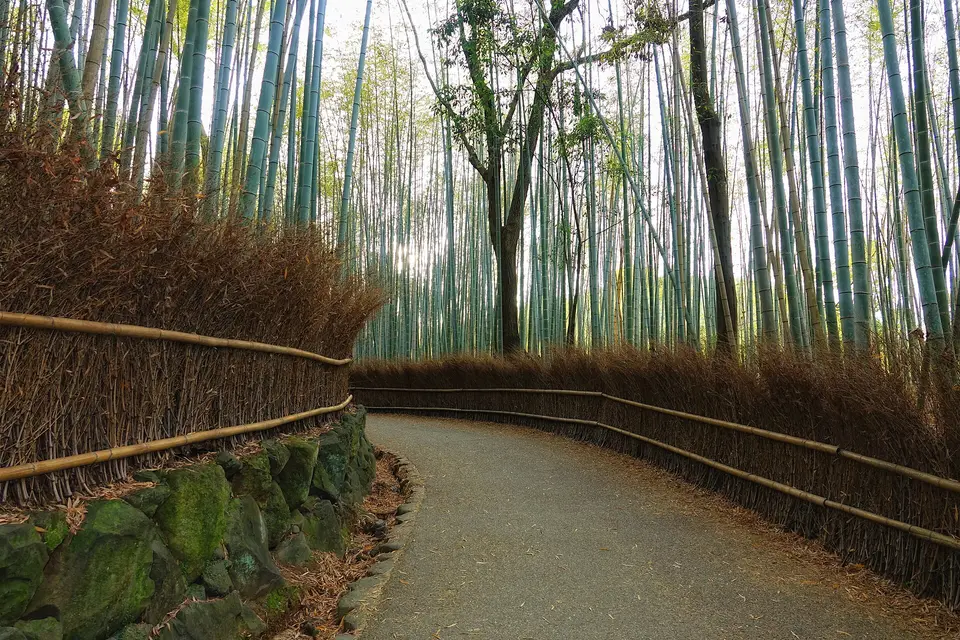
Neighbourhood in Fushimi Ward, Kyoto
Fushimi Inari
伏見稲荷
The head shrine of Inari at the foot of a sacred mountain, with thousands of red torii gates forming tunnels up the trails.
- places to see
- 2
- Kyoto
- Fushimi Ward, Kyoto
Fushimi Inari-taisha is the head shrine of Inari, the kami of rice and agriculture who merchants also worship as the patron of business. It sits at the base of Mount Inari, 233 metres high, and trails run up the mountain past many smaller shrines. The shrine was founded in 711.
Its roughly 10,000 torii were each donated by a business, and about 800 stand in a row as the Senbon Torii, a tunnel of orange gates near the start. Fox statues guard the paths, as foxes are Inari's messengers. JR Inari Station is right in front of the gate. More of the ward is in our Fushimi guide.
Don't miss in Fushimi Inari
Start with these, then wander the side streets.
1. Fushimi Inari Taisha
伏見稲荷大社The head Inari shrine and its tunnels of red torii winding up the mountain.
2. Hoto-ji Temple
宝塔寺Quiet temple to the south with an old gate and pagoda, almost empty of visitors.
Fushimi Inari on the map
Every place on this page. Tap a pin for directions.
Questions
Is Fushimi Inari free?
Yes. The shrine and its trails are free and open 24 hours.
How do I get to Fushimi Inari?
Take the JR Nara line two stops from Kyoto Station to Inari Station, which is right in front of the shrine, or the Keihan line to Fushimi-Inari Station.
Sources
We checked the facts on this page against these sources.
More areas in Kyoto
- Kiyomizu and SannenzakaKyoto's most visited temple on its hillside stage, reached by stone-paved lanes of old wooden shops and the Yasaka Pagoda.
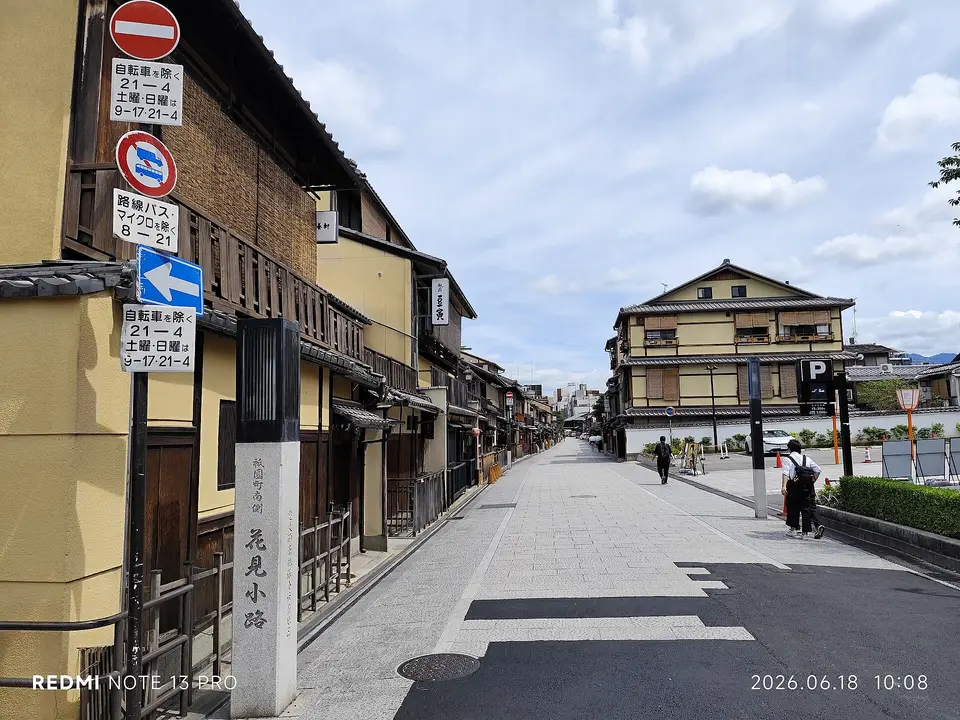
- GionKyoto's best-known geisha district, with wooden teahouses along Hanamikoji, the Shirakawa canal and Yasaka Shrine at the top of Shijo-dori.
- PontochoA narrow lantern-lit alley of restaurants and teahouses beside the Kamo River, a few minutes from Nishiki Market and the Teramachi arcades.
- OkazakiKyoto's cultural quarter around Heian Shrine's giant torii, with art museums, the zoo, villa gardens and the great Zen temple of Nanzen-ji.
- ArashiyamaKyoto's western edge, where the bamboo grove, Tenryu-ji temple and the Togetsukyo Bridge sit below forested hills along the river.